
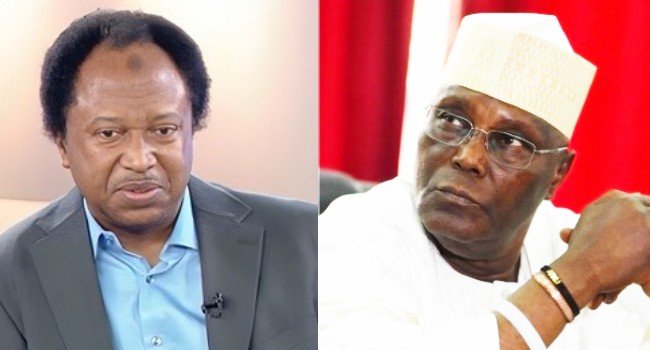

Former Kaduna Central senator, Shehu Sani, has weighed in on the growing conversation surrounding Nigeria’s rotational presidency ahead of the 2027 election, arguing that the long-standing political arrangement could face a major test depending on the outcome of the next presidential contest.
Sani made the remarks during a television interview while discussing emerging political alignments, opposition strategies, and the future of power-sharing in Nigeria. His comments come as parties and influential politicians begin consultations ahead of the 2027 election cycle.
The former lawmaker suggested that the zoning principle, which has shaped Nigeria’s political landscape for decades, could be affected if former Vice President Atiku Abubakar secures the presidency in the next election. The statement has added fresh momentum to an already active national debate over power rotation, equity and political stability.
Rotational presidency, often referred to as zoning, is an informal political arrangement designed to balance power among Nigeria’s regions and major political blocs. Although not expressly provided for in the Constitution, several political parties have adopted zoning principles in selecting candidates for top offices.
Supporters of the system argue that it promotes:
- National inclusion and political balance
- Regional representation in leadership
- Reduced feelings of marginalisation
- Greater stability in a diverse federation
Critics, however, maintain that electoral contests should be determined primarily by merit, party dynamics and voter choice rather than geographical considerations.
The issue has remained central in national politics, especially after the 2023 election and with early discussions already shaping the build-up to 2027.
Sani argued that political decisions taken in the next election could influence the future of zoning arrangements across parties and regions. He noted that any major departure from established political conventions might trigger broader debates over how power-sharing should evolve.
His comments come amid increasing consultations among opposition figures and reports of coalition efforts ahead of the next presidential race.
Key developments shaping the political landscape include:
- Early alliance talks among opposition politicians
- Internal party consultations on zoning arrangements
- Discussions over regional representation
- Preparations by political parties for candidate selection
Political analysts say debates over zoning and rotational presidency are likely to intensify as parties move closer to primary elections.
Nigeria has historically relied on informal power-sharing agreements to manage its ethnic, regional and political diversity. While these arrangements are not legally binding, they have influenced party decisions and electoral calculations over the years.
The 2027 election may therefore become another major test of how political parties balance inclusion, competitiveness and national cohesion.
Observers note that the debate is expected to remain prominent as parties clarify their positions, alliances emerge and aspirants formally declare interest in the coming months.
With political activities gradually gathering pace, questions surrounding zoning, coalition-building and regional balance are already shaping discussions across party lines.
Whether political parties maintain existing conventions or adopt new approaches may become one of the defining issues ahead of the 2027 election.
For now, Shehu Sani’s comments have added another layer to the national conversation on the future of rotational presidency and the evolving dynamics of Nigeria’s political system.