
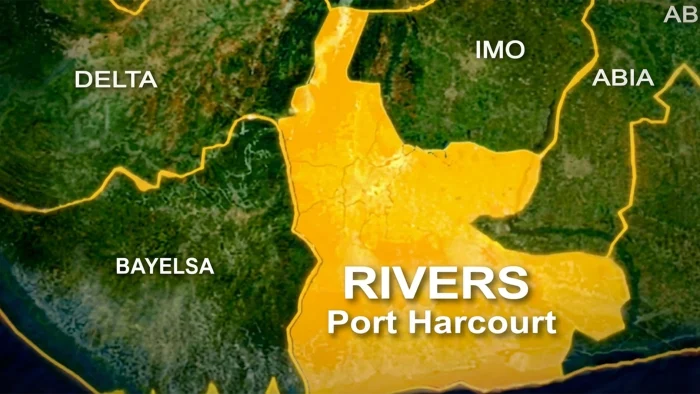

The Rivers State House of Assembly has endorsed the constitutional amendment seeking to establish State Police Services in Nigeria, becoming one of the state legislatures now considering the proposal after the National Assembly transmitted the bill for concurrence.
The decision was taken on Monday, September 28, 2026, following the transmission of the Constitution of the Federal Republic of Nigeria, 1999 (Sixth Alteration) Bill, 2026, to the 36 state Houses of Assembly. The proposal seeks to create a constitutional framework allowing states to establish their own police services while maintaining a federal policing structure.
The National Assembly transmitted the bill to the state legislatures on September 16 in accordance with Section 9 of the 1999 Constitution. At least 24 of the 36 state Houses of Assembly must approve the amendment before it can proceed to the President for assent.
Rivers Assembly Moves State Police Debate Forward
The Rivers Assembly’s endorsement comes at a critical stage of the constitutional amendment process.
The National Assembly has already cleared the proposed State Police Bill. The Senate passed the measure on June 24, while the House of Representatives approved the constitutional amendment in July. The next constitutional hurdle is therefore state-level concurrence.
The process requires support from two-thirds of the state legislatures, meaning the proposal needs approval from at least 24 Houses of Assembly.
The key stages are:
- June 24: Senate passes the State Police constitutional amendment.
- July 23: House of Representatives passes the bill.
- September 16: National Assembly transmits the bill to all 36 state Houses of Assembly.
- September 28: Rivers State House of Assembly endorses the proposal.
- Next constitutional threshold: At least 24 state assemblies must concur before presidential assent.
The National Assembly has said the State Police Bill was the constitutional alteration proposal transmitted to the states at this stage, following its passage in identical form through the two chambers.
What The Proposed State Police System Means
The proposed amendment would introduce a dual policing arrangement in Nigeria, with federal and state police services operating within a constitutional framework.
Under the proposal already passed by the National Assembly, states would be able to establish their own police services, while the Federal Police Service would continue to perform responsibilities assigned at the national level.
The proposed framework also contains provisions dealing with the appointment and oversight of state police commissioners.
The Senate’s version provides that a state Commissioner of Police would be appointed by the governor on the recommendation of the National Police Council, subject to confirmation by the state House of Assembly and compliance with qualifications and national standards.
The proposal also contemplates safeguards governing the relationship between state governments and police authorities.
Why State Police Has Become A Major Reform Issue
The push for state police has developed against the backdrop of persistent security challenges across Nigeria, including kidnapping, terrorism, banditry and other violent crimes.
Supporters of the constitutional reform have argued that decentralising policing could bring law enforcement closer to communities and improve local intelligence and response times. President Bola Tinubu has also backed the creation of state police as part of wider efforts to reform Nigeria’s security architecture.
At the same time, the proposal has generated debate over how state police would be funded, supervised and protected from political interference.
Those concerns are particularly relevant because the proposed system would give state institutions a larger role in policing while retaining a federal police structure for responsibilities that remain national.
24-State Threshold Remains The Key Hurdle
Rivers’ endorsement does not by itself complete the constitutional amendment process.
Section 9 of the Constitution requires approval from at least two-thirds of the state Houses of Assembly before a constitutional alteration can move to the President for assent. With 36 state legislatures in the process, the minimum threshold is 24.
The National Assembly has encouraged the state legislatures to consider the proposal within an administrative 30-day timeframe. However, that timeframe is an administrative target rather than a constitutional deadline.
The outcome will therefore depend on how the remaining state assemblies consider the bill and whether the required two-thirds threshold is reached.
What Happens After State Assembly Approval?
If at least 24 state Houses of Assembly concur with the amendment, the constitutional alteration can move to the next stage for presidential assent.
Even if that threshold is achieved, approval of the constitutional amendment would not automatically mean that functioning state police commands appear immediately across Nigeria.
Further legislative, administrative and operational arrangements would be required to establish the institutions, determine funding and staffing arrangements, set standards and define the relationship between state and federal policing authorities.
The Presidency has previously indicated that establishing state police requires constitutional and legal preparation before implementation.
Rivers State’s decision therefore represents one step in a wider constitutional process rather than the immediate creation of a Rivers State Police Service.
Wider Implications For Nigeria’s Policing Structure
The state-level consideration of the amendment marks a significant phase in Nigeria’s long-running debate over whether policing responsibilities should remain predominantly centralised.
The proposed framework would alter the country’s policing architecture by creating constitutional room for state police services alongside federal policing institutions.
For now, attention shifts to the remaining 35 state Houses of Assembly and whether enough legislatures will endorse the proposal to satisfy the constitutional requirement.
The Rivers Assembly’s endorsement adds one more state to the process, but the decisive question remains whether the nationwide two-thirds threshold will ultimately be achieved.