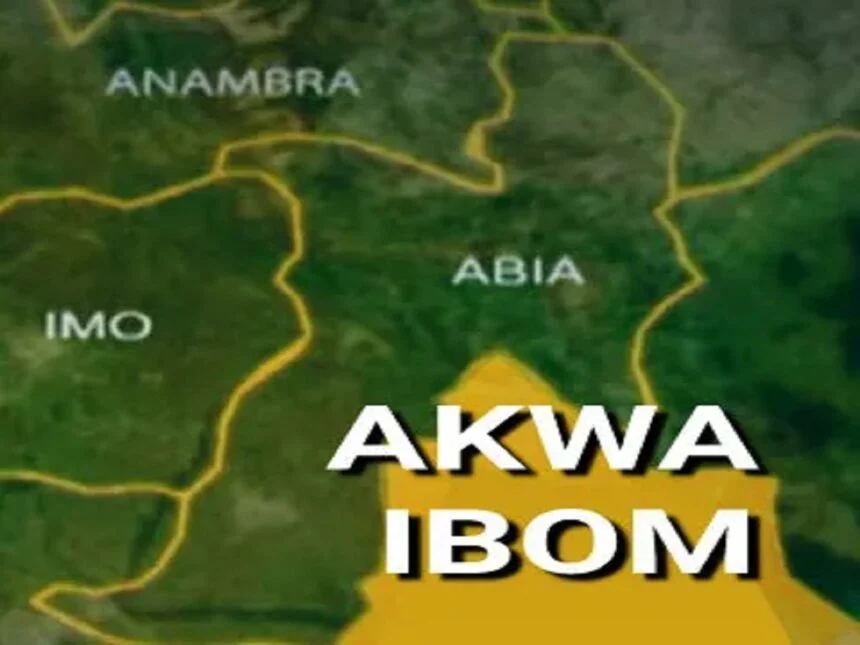

The Akwa Ibom State Government has shut down 326 illegal schools since 2025 and closed another 15 as the 2026/2027 academic session began, bringing the total number of schools affected by the enforcement drive to 341 across the state’s 31 local government areas.
Commissioner for Education, Prof. Ubong Umoh, disclosed the figures during a ministerial briefing in Uyo, where officials outlined the government’s efforts to tighten oversight of the education sector.
The enforcement campaign targets schools operating without approval from the state Ministry of Education, as well as facilities that fail to meet required standards for teaching and learning.
Officials said inspections considered factors including school location, learning conditions, staffing and compliance with government approval requirements.
The state government said the crackdown forms part of its effort to protect education standards and prevent institutions from operating in environments that could compromise students’ welfare.
According to the commissioner, authorities identified schools operating from residential buildings, churches and other locations deemed unsuitable for formal education. In some instances, several primary-school classes were reportedly being held in single rooms.
The government has also warned operators against reopening schools after enforcement officials have ordered their closure.
Umoh said operators who returned to business after their schools had been shut were referred to the police for possible prosecution, signalling that the enforcement campaign could extend beyond administrative closure.
The state resumed inspections for the 2026/2027 academic year after shutting more than 326 schools during the previous enforcement exercise. Fifteen additional schools had been closed by the start of the new school year.
Key figures from the enforcement exercise
- 326 schools: Closed during the 2025 enforcement operation.
- 15 schools: Additional closures recorded as the 2026/2027 session began.
- 341 schools: Total number closed across the two phases.
- 31 LGAs: Covered by the state-wide enforcement campaign.
- N35 billion-plus: Education investment cited by the state government.
The school closures come as Akwa Ibom says it has increased financial commitments to the education sector.
The government reported that education spending has risen from about N17 billion to more than N35 billion, with funding directed towards infrastructure and teachers’ welfare.
Officials argued that improved public-school facilities should encourage parents to consider government schools, particularly model schools, instead of enrolling children in unapproved institutions.
The administration also said its free education programme principally covers tuition in public schools, while the government has provided additional support by taking responsibility for examination fees and other related costs.
Authorities warned that public schools are not permitted to impose unauthorised tuition charges and urged parents to report such demands.
The enforcement action places greater responsibility on parents to establish whether private schools have obtained the necessary approval before enrolling their children.
For families considering private education in Akwa Ibom, key issues include:
- Whether the school has approval from the Ministry of Education.
- Whether the learning environment meets required standards.
- Whether qualified teachers and adequate facilities are available.
- Whether the institution complies with state education regulations.
The government’s position is that closing unapproved schools will help prevent poor facilities and other practices from undermining educational standards.
At the same time, the expansion of public-school investment creates pressure on the state to ensure that improved infrastructure, teacher welfare and increased funding translate into accessible and quality education.
The latest closures indicate that the government’s campaign against unapproved schools has moved beyond the initial 2025 operation.
With inspections continuing into the 2026/2027 academic year, schools that fail to satisfy approval and operational requirements could face further enforcement.
The state has also called for greater public awareness of available government schools and urged parents to make use of facilities it says have benefited from increased investment.
The broader outcome of the policy will depend not only on shutting illegal schools but also on maintaining effective regulation, expanding access to quality public education and ensuring that affected pupils can continue their education without disruption.