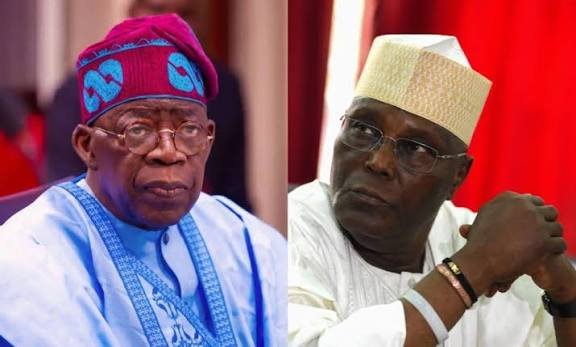

Former Vice President and African Democratic Congress (ADC) presidential candidate Atiku Abubakar has said he will not participate in any presidential debate ahead of Nigeria’s 2027 election unless President Bola Tinubu and the ruling All Progressives Congress (APC) are also represented.
Atiku’s position was disclosed on Tuesday, August 25, 2026, by his campaign spokesperson, Kenneth Okonkwo. The campaign argued that presidential debates should give Nigerians an opportunity to hear directly from both the incumbent government and opposition candidates about their records, policies and plans.
The declaration effectively places Tinubu’s participation at the centre of Atiku’s decision to appear at future televised presidential debates.
The Atiku campaign also challenged Tinubu to a national presidential debate, saying a direct encounter between the two major political figures would allow voters to compare their competing approaches ahead of the 2027 poll.
According to Okonkwo, debates involving only opposition candidates could shift attention away from the performance of the incumbent administration.
The campaign argued that opposition candidates could end up scrutinising and criticising one another while the APC avoids the same level of direct questioning from its political rivals.
Atiku’s camp therefore wants future presidential debates to involve the ruling party alongside opposition candidates.
The position rests on three main arguments:
- Direct accountability: Tinubu and the APC should defend the administration’s record before voters.
- Policy comparison: Nigerians should hear competing candidates explain how they intend to govern.
- Fairer competition: Opposition candidates should not be placed in debates that, according to Atiku’s camp, allow the ruling party to remain outside the discussion.
Okonkwo said Atiku remained prepared to communicate with Nigerians through interviews, town-hall meetings, press conferences and other public engagements even if a proposed debate does not include Tinubu.
Rather than withdrawing from public scrutiny, Atiku’s campaign framed the decision as a challenge to the president.
The former vice president wants Tinubu to participate in a national presidential debate where the two political camps can present their policies and explain how they intend to address Nigeria’s challenges.
The development adds another dimension to the emerging 2027 presidential contest, with the two politicians positioned on opposing sides of the political divide.
Tinubu is seeking another term on the APC platform, while Atiku is running under the ADC. The ADC has formally submitted Atiku’s presidential nomination and Rotimi Amaechi’s vice-presidential nomination to the Independent National Electoral Commission (INEC).
Atiku’s latest declaration comes as Nigeria’s 2027 presidential contest moves into a more competitive phase.
The opposition landscape remains significant to the election, particularly as parties and political figures position themselves ahead of the vote. Atiku’s ADC candidacy places him at the centre of an opposition effort to challenge the incumbent administration.
The broader political contest is already focusing heavily on economic policy, governance and the performance of the Tinubu administration. In recent days, Atiku’s campaign has also criticised the government’s fuel subsidy policy, while the presidency and its allies have pushed back against his proposed approach to petrol pricing.
The debate question therefore comes at a time when economic policy is expected to remain a major issue during the presidential campaign.
Atiku’s declaration could create an unusual situation if debate organisers invite opposition candidates without securing the president’s participation.
Under the condition announced by his campaign, Atiku would remain available for interviews, town halls and other direct engagements with voters but would not join a presidential debate that excludes Tinubu and the APC.
Whether Tinubu eventually accepts Atiku’s challenge could consequently influence the format and political significance of major presidential debates ahead of the 2027 election.
For voters, the central issue will be whether the leading candidates ultimately share a platform where they can be questioned directly about their records, policies and plans for the country.