
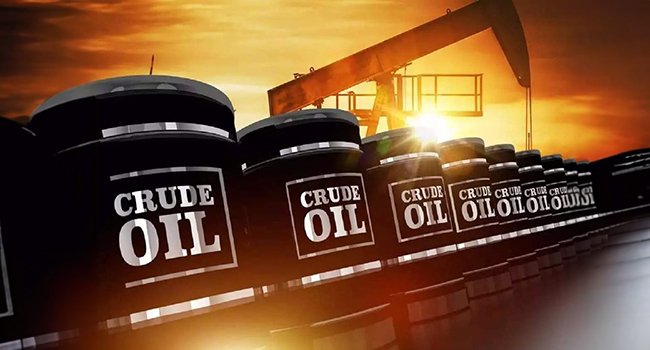

Brent crude oil rose above $100 a barrel on Wednesday, September 9, 2026, for the first time since July 24, as renewed fighting in the Middle East heightened fears that disruptions could further restrict global oil supplies.
Brent futures climbed 2.2% to $100.07 per barrel by 7:21 GMT, while US West Texas Intermediate (WTI) gained 1.83% to $94.73. Brent later eased from the psychological $100 threshold but remained elevated as investors assessed the potential impact of the escalating conflict on oil production and shipping routes.
The latest rally reflects growing uncertainty over the future of the six-month-old US-Iran conflict. Fresh attacks involving Iran-backed Houthi forces and Saudi energy facilities have added another layer of risk to an already disrupted regional supply network.
For oil-consuming economies, the renewed surge creates the prospect of higher fuel, transportation and production costs if the disruption persists.
The latest price movement followed attacks by Iran-backed Houthi forces on Saudi energy infrastructure, with some facilities reportedly set ablaze.
The attacks have raised concerns about the security of crude shipments through the Red Sea, which has served as an alternative route for oil cargoes affected by disruptions around the Strait of Hormuz.
The Strait remains particularly important to global energy markets. Oil flows through the waterway have fallen sharply since the conflict began, increasing the sensitivity of prices to any further military escalation in the region.
The situation is being closely monitored because a prolonged disruption could affect both the availability and cost of crude.
Key developments influencing the market include:
- Brent crude briefly moving above $100 per barrel.
- WTI climbing above $94 per barrel.
- Renewed attacks on Saudi energy facilities.
- Continued uncertainty around the Strait of Hormuz.
- Rising expectations that the regional conflict could last longer than previously anticipated.
The latest move represents a significant turnaround for crude prices.
Brent has increased by roughly 25% since early August, as expectations of a lasting resolution to the US-Iran conflict have weakened. The benchmark had previously climbed as high as $126.41 a barrel on April 30 after the conflict intensified.
Market participants are now assessing whether the latest escalation represents a temporary price shock or the beginning of a prolonged period of elevated energy costs.
Several major financial institutions have already raised their oil-price forecasts in response to the worsening security environment. Goldman Sachs, Bank of America and HSBC are among the banks that have recently revised their expectations.
The price reaction also reflects concerns that additional attacks could restrict tanker movements and make it more difficult to transport crude from the Gulf to international markets.
The Strait of Hormuz is at the centre of the oil market’s concerns because of its role in international energy transportation.
According to Rystad Energy, between 8 million and 9 million barrels per day moved through the strait during the week before fighting resumed on August 30. More recently, flows have fallen below 2 million barrels per day.
That sharp reduction illustrates the scale of the potential supply problem facing the market.
Even if global producers maintain adequate inventories, prolonged difficulties moving crude from the Gulf could create regional shortages, increase shipping costs and push benchmark prices higher.
The renewed violence has therefore added what analysts describe as a geopolitical or security premium to crude prices.
The consequences of the Brent rally extend beyond the energy market.
A sustained increase in crude prices can raise the cost of petrol, diesel and jet fuel, with wider effects on transportation, manufacturing, aviation and the prices of goods moved over long distances. AP reported that rising crude prices were already raising concerns about the effect on fuel and transportation costs.
Higher energy costs can also complicate the decisions facing central banks.
If fuel and other energy-related prices remain elevated, inflation could prove more persistent, potentially limiting the room monetary authorities have to reduce interest rates.
This makes the oil market’s response to the Middle East conflict important not only for producers and consumers but also for global financial markets.
Non-OPEC producers, including the United States, Canada and Guyana, have increased output, providing some additional supply to the international market.
However, the International Energy Agency has projected that global oil supply could decline by about 4.3 million barrels per day in 2026, or roughly 4%, according to Reuters.
That outlook could make the market more vulnerable if Middle Eastern disruptions deepen.
For oil-producing countries, higher prices may improve export revenues, but prolonged instability could also create uncertainty around production, shipping and investment.
For consumers, the immediate concern is whether the latest price spike fades as it did during previous episodes or develops into a sustained increase.
The return of Brent above $100 demonstrates how quickly geopolitical developments can reshape the global oil market.
The critical factors now include the duration of the US-Iran conflict, the security of the Strait of Hormuz and Red Sea, the extent of damage to regional energy infrastructure and whether diplomatic efforts can prevent further escalation.
If crude shipments recover and tensions ease, prices could retreat from current levels. But further attacks on oil facilities, tankers or strategic shipping routes could push the market considerably higher.
For now, the $100 Brent threshold has returned as a powerful indicator of the growing economic cost of the Middle East conflict and the risks facing global energy supplies.