
Iran’s proposal to reopen the Strait of Hormuz within seven days has encountered a major diplomatic setback after a Wall Street Journal report said US President Donald Trump rejected the initiative, even as Tehran said Saturday it was still awaiting Washington’s response.
The proposal, presented by Iranian Foreign Minister Abbas Araghchi during the United Nations General Assembly in New York, seeks to halt fighting across the region and restore shipping through the strategic waterway. Tehran says the plan would also revive negotiations over its nuclear programme.
The reported rejection has added uncertainty to efforts to end the seven-month US-Iran conflict, while the Strait of Hormuz remains largely disrupted. The waterway is a critical route for global energy shipments, making any prolonged closure a concern for oil markets, shipping and economies that depend on Gulf energy supplies.
Araghchi said Iran’s proposal would establish a seven-day pause in hostilities, including fighting involving Lebanon. If the conditions were met, Tehran would reopen the Strait of Hormuz at the end of the seven-day period and resume broader discussions with Washington.
The Iranian proposal reportedly requires several measures from the United States:
- An end to the US naval blockade of Iranian ports.
- A waiver of sanctions affecting Iranian oil exports.
- The release of frozen Iranian financial assets.
- A regional ceasefire covering multiple fronts, including Lebanon.
- The reopening of negotiations on Iran’s nuclear programme.
Araghchi said Tehran had transmitted the proposal to the United States through Qatari mediators. Reuters reported that Iranian officials said the initiative could reopen the waterway and halt regional hostilities within seven days.
Iran had also previously outlined conditions for restoring traffic through the waterway, making the latest proposal part of a broader diplomatic effort rather than an isolated announcement.
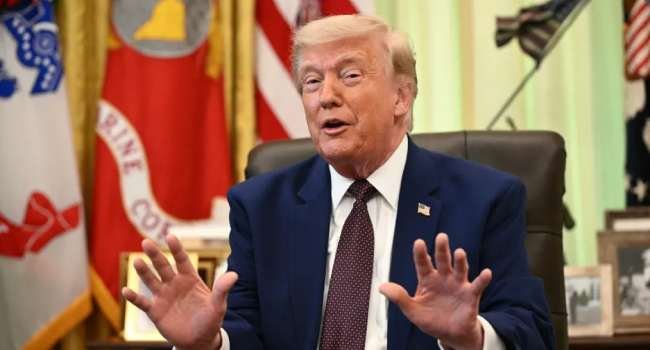
The Wall Street Journal, citing unnamed US officials, reported that Trump had rejected the Iranian proposal and privately expressed doubts that Tehran would satisfy his demands.
The same report said Trump had told aides he expected US bombing of Iran to resume after the November midterm elections. Reuters described the report as the basis for Iran’s wait for a formal US response.
However, Washington has not publicly confirmed that it has formally rejected the proposal. A US official previously described indirect discussions involving mediators as “positive and constructive,” according to Reuters.
That distinction is significant because the diplomatic process remains fluid, with communications continuing through intermediaries.
The Strait of Hormuz has become one of the most important pressure points in the conflict because of its role in international energy transportation.
Iran and Oman share control of the strategic waterway, while Tehran has imposed restrictions on vessels seeking passage during the conflict. Previous attempts to establish arrangements for safe shipping have struggled amid renewed military action.
The disruption has also increased pressure on alternative shipping routes.
Saudi Arabia, meanwhile, has faced attacks linked to the wider conflict. Reuters reported that Saudi authorities said they intercepted ballistic missiles and drones launched by Houthi forces in Yemen, while attacks have threatened both regional security and alternative energy routes.
The combined pressure on Hormuz and other regional shipping corridors has raised concerns over the stability of global energy supplies.
Nuclear talks add another layer to negotiations
Iran’s proposal is also tied to the long-running dispute over its nuclear programme.
Araghchi said a reopening of the Strait of Hormuz could pave the way for negotiations on issues agreed by both sides. Iranian President Masoud Pezeshkian has separately said Tehran remains open to talks but would not accept what he described as coercion.
Iranian officials have also indicated that they are not prepared to make concessions over their stated nuclear rights, including uranium enrichment. That position remains a major obstacle in any attempt to build a broader US-Iran agreement.
The dispute therefore extends beyond maritime access, with sanctions, nuclear activities, military operations and regional alliances all forming part of the negotiations.
Despite the reported US rejection, diplomatic contacts have not completely stopped.
Iran raised its proposal at the UN General Assembly, while Qatar has continued to serve as a channel for communication between Washington and Tehran. Iran has also discussed safe shipping arrangements with Oman and briefed Saudi officials about those understandings.
The White House has not publicly detailed the full terms of any US response to Tehran’s proposal.
The Associated Press also reported that Trump posted an image on Truth Social showing the Strait of Hormuz labelled “Trump Strait” after Iran announced its proposal. The post came as indirect US-Iran discussions continued through mediators.
The immediate issue is whether Washington will formally respond to Tehran’s seven-day proposal and whether the two sides can bridge their differences over sanctions, the naval blockade, the nuclear programme and regional fighting.
For now, Iran says the conditions for reopening the Strait of Hormuz are clear, while reports indicate that Trump has rejected the proposed arrangement. The absence of a publicly confirmed US decision leaves the diplomatic track uncertain.
Any agreement that restores normal traffic through Hormuz could have wider consequences for energy markets and international shipping. Conversely, continued disruption would keep pressure on alternative trade routes and maintain uncertainty across the global oil market.
The next significant development is therefore likely to come from Washington’s formal position and whether mediators can revive negotiations around the terms proposed by Tehran.