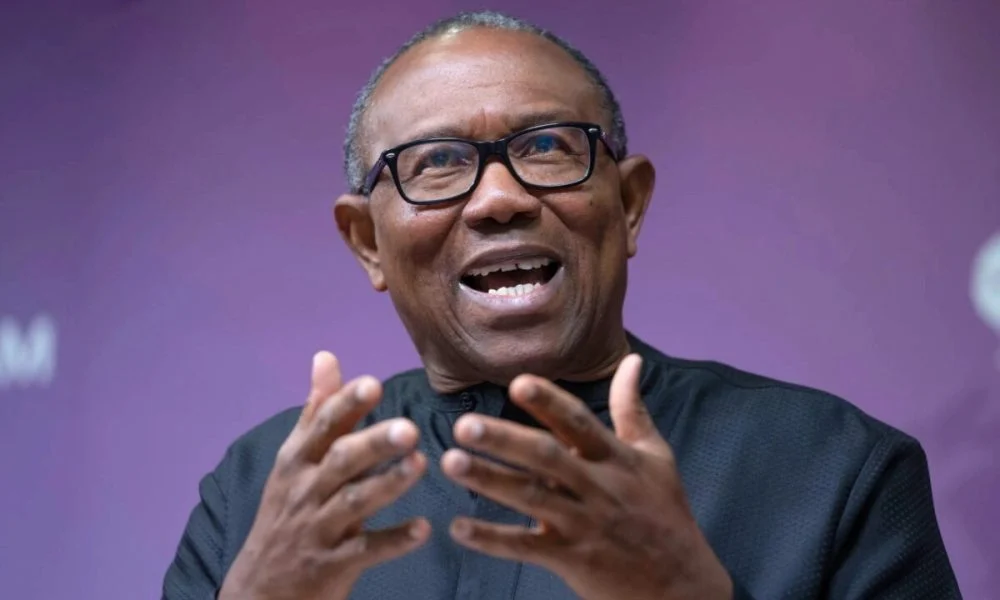


Poor remuneration and demanding working conditions are encouraging Nigerian physiotherapists to seek opportunities abroad, Dr Esther Ibeye has said, warning that the trend could further weaken the country’s already limited rehabilitation workforce.
Ibeye, a physiotherapist, made the remarks during an interview on Channels Television’s The Morning Brief on Tuesday, September 8, 2026, as Nigeria joined the global observance of World Physiotherapy Day.
She said physiotherapists in public hospitals often manage several patients despite the physically intensive nature of their work, leaving some professionals overburdened and dissatisfied with their compensation.
According to her, the combination of high patient loads and inadequate financial rewards can make overseas employment more attractive, particularly in countries where health professionals can earn better salaries for comparable work.
The warning comes against the backdrop of broader concerns over Nigeria’s health-worker migration, with government and professional bodies increasingly focused on retaining skilled personnel and improving workforce capacity.
Ibeye said physiotherapy requires sustained physical involvement with patients, making excessive workloads particularly challenging for practitioners.
Unlike some forms of clinical care that may involve shorter patient interactions, physiotherapists can spend considerable time helping patients regain movement, balance, strength and independence.
She explained that a single physiotherapist in a public hospital may have to attend to between five and seven patients in a day, with some handling even larger numbers when staffing levels are inadequate.
The demands can include:
- Walking between patients and treatment areas.
- Standing for extended periods.
- Demonstrating therapeutic exercises.
- Supporting patients who are learning to walk again.
- Assisting people with balance and coordination difficulties.
- Providing close supervision during rehabilitation exercises.
Ibeye argued that such responsibilities require adequate staffing because some patients need continuous supervision during treatment.
When too few physiotherapists are available, she said, practitioners may have to move rapidly between patients instead of giving each person the level of attention required for effective rehabilitation.
The concerns raised by Ibeye are occurring within a wider shortage of rehabilitation professionals in Nigeria.
In June 2026, the Medical Rehabilitation Therapists (Registration) Board of Nigeria said the country had fewer than 8,000 physiotherapists serving a population of more than 200 million people. The board also called for rehabilitation services to receive greater attention within the healthcare system.
The World Health Organisation’s 2026 report on Africa’s health workforce also showed how limited physiotherapy capacity remains across the continent. It put Nigeria’s physiotherapist and physiotherapy-assistant density at about 0.4 per 100,000 people in 2024.
That shortage means the departure of experienced practitioners can have consequences beyond the individual workers who migrate.
Fewer professionals can translate into heavier workloads for those who remain, longer waits for rehabilitation services and reduced access to specialised care.
The migration of health professionals, commonly described in Nigeria as the “Japa” phenomenon, has become a major workforce concern.
Nigeria’s National Policy on Health Workforce Migration recognises migration as a challenge that can worsen shortages, increase waiting times and reduce access to specialised healthcare. The policy also identifies economic factors, including inadequate salaries, among the drivers of health-worker migration.
More recent government statements indicate that workforce migration remains an active policy concern. In July 2026, the Federal Ministry of Information said the government had recruited more than 37,000 health workers across federal health institutions since 2023 while also working on measures to improve workforce planning and retention.
However, recruitment alone may not resolve the problem if experienced professionals continue to leave.
For physiotherapy, the challenge is particularly significant because training a specialist takes years, while the loss of trained practitioners can immediately increase pressure on the remaining workforce.
Ibeye called for increased government investment in physiotherapy and greater recognition of the profession’s role within Nigeria’s healthcare system.
She stressed that physiotherapy is essential to helping patients recover functional abilities after illness, injury and other conditions that affect movement.
Her argument is consistent with broader calls from Nigeria’s rehabilitation sector for more investment, improved infrastructure, stronger insurance coverage and expanded training opportunities.
The Medical Rehabilitation Therapists Board has previously advocated for rehabilitation to become more accessible beyond secondary and tertiary hospitals, including through primary healthcare services and community-based programmes.
Key areas requiring attention include:
- Better remuneration and incentives for physiotherapists.
- Improved staffing levels in public hospitals.
- Investment in rehabilitation equipment and facilities.
- Expanded access to professional development.
- Greater integration of rehabilitation into primary healthcare.
- Stronger policies aimed at retaining skilled health professionals.
The consequences of physiotherapist migration extend beyond staffing figures.
Patients recovering from strokes, neurological conditions, injuries and mobility-related disorders often require repeated rehabilitation sessions. A shortage of practitioners can therefore limit how quickly patients receive treatment and how much attention they receive during recovery.
Nigeria’s wider rehabilitation needs are also increasing because of injuries, non-communicable diseases, ageing and other conditions requiring long-term rehabilitation care. The Medical Rehabilitation Therapists Board has warned that the demand for such services is already outpacing available manpower.
The challenge facing policymakers is consequently twofold: Nigeria needs to produce more rehabilitation professionals while also creating conditions that encourage existing practitioners to remain in the country.
Unless both issues receive sustained attention, increased training could simply feed a larger pool of professionals who eventually seek better opportunities elsewhere.
The physiotherapy “Japa” debate ultimately reflects a wider question about Nigeria’s ability to retain the professionals it trains.
Government has introduced policies aimed at managing health-worker migration and strengthening workforce planning, but implementation and retention remain crucial to the success of those measures.
For physiotherapists, addressing pay, staffing shortages, working conditions and career development could help reduce the incentive to leave while improving the quality of rehabilitation available to patients.
Ibeye’s warning therefore comes at a critical point for Nigeria’s health system: retaining physiotherapists is not simply a labour issue but a healthcare-access issue, particularly for patients whose recovery depends on consistent and specialised rehabilitation.