
The House of Representatives has opened an investigation into about ₦432.07 billion owed to the Nigerian Midstream and Downstream Petroleum Regulatory Authority (NMDPRA) by petroleum companies, following concerns over prolonged non-payment of regulatory and petroleum-related obligations.
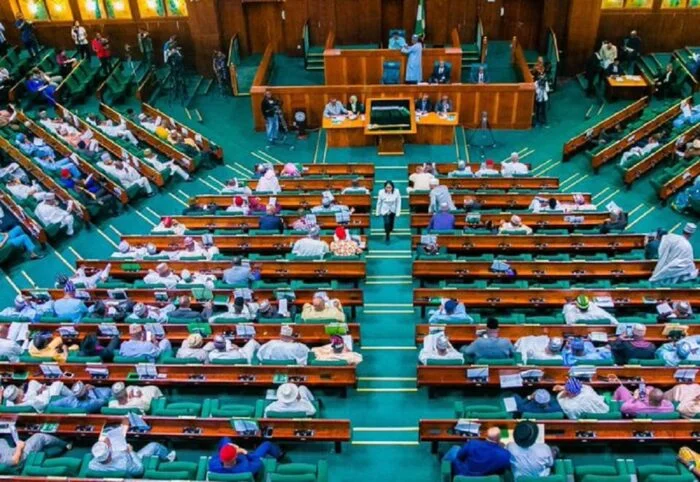
The probe, initiated by the House Committee on Public Accounts, is based on findings contained in the Auditor-General of the Federation’s reports on outstanding liabilities involving the oil industry and NMDPRA. The latest figures indicate that the debt has grown from the amount recorded in the 2023 audit report.
The investigation comes as the Federal Government continues efforts to improve domestic revenue collection and strengthen accountability across the petroleum sector.
For lawmakers, the issue is not simply the size of the outstanding debt but also why liabilities accumulated over several years without effective recovery.
The Auditor-General’s 2023 report initially put the combined debt owed to NMDPRA by the Nigerian National Petroleum Company Limited (NNPCL) and petroleum marketers at ₦392.73 billion.
That figure comprised:
- ₦162.46 billion attributed to NNPCL.
- ₦230.27 billion owed by oil companies.
- Obligations connected to regulatory and petroleum-sector payments.
- Legacy liabilities relating to imports, coastal transactions and credit arrangements.
The subsequent 2024 audit report placed the outstanding amount at ₦432.07 billion, representing an increase of roughly ₦39.35 billion from the earlier figure.
The rise has prompted lawmakers to examine how the liabilities were accumulated and whether the relevant agencies took sufficient steps to recover the money.
The Public Accounts Committee, chaired by Rep. Bamidele Salam, is expected to examine records submitted by NMDPRA and other relevant institutions as part of the investigation.
The committee wants to establish the basis for the debts, the period covered, payments already made and the balance still outstanding.
It will also examine measures taken by the regulatory authority to recover the money.
The committee’s investigation is therefore expected to focus on several questions:
- Who currently owes the outstanding amounts?
- What obligations make up the reported debt?
- How much has already been recovered?
- Why have some liabilities remained unpaid for years?
- What recovery measures have NMDPRA and other agencies taken?
- Are there weaknesses in the regulatory and revenue-collection system?
The committee has indicated that companies summoned by lawmakers are expected to appear with relevant documentation and provide explanations for outstanding obligations.
More recent submissions reviewed by the committee show that 146 petroleum companies operating under DAPPMAN, MOMAN and MEMAN owed NMDPRA about ₦327.53 billion as of 2025.
The liabilities cover obligations dating from 2017 to 2023, according to the information presented to lawmakers.
The breakdown is particularly significant because it shows that a substantial portion of the money is not a recent liability but accumulated obligations stretching across several years.
Separate reporting based on the Auditor-General’s 2024 findings identified approximately ₦431.01 billion in legacy National Transport Average and bridging allowance-related obligations owed by petroleum marketers.
This means the House investigation could extend beyond determining individual debts to examining the historical administration of petroleum-sector levies and allowances.
Key figures at a glance
| Item | Amount |
|---|---|
| 2023 reported NNPCL and oil-company debt | ₦392.73bn |
| 2024 reported outstanding debt | ₦432.07bn |
| Marketers’ reported debt as of 2025 | ₦327.53bn |
| Number of marketers cited | 146 |
| Period covered by marketers’ liabilities | 2017–2023 |
The investigation is part of a broader push by Nigeria’s National Assembly to improve accountability in the management and collection of public revenue.
The House Public Accounts Committee has already pursued other cases involving alleged unremitted government revenues. In June, a House panel said it had recovered ₦521.8 million in VAT from the Central Bank of Nigeria while pursuing additional claims.
The National Assembly has also intensified scrutiny of petroleum-sector revenues. In 2025, the House investigated allegations involving more than $850 billion in crude and non-oil export proceeds that were allegedly not repatriated over a long period.
Against that background, the NMDPRA debt investigation adds another layer to efforts to identify revenue leakages and recover funds owed to government institutions.
The central issue for lawmakers will be whether the reported debt represents genuine disputed liabilities, unpaid statutory obligations, accounting discrepancies or failures in enforcement.
The committee’s review of supporting records could help determine whether NMDPRA had adequate systems for tracking payments and pursuing defaulters.
It could also expose gaps between regulatory assessments and actual collections in the downstream petroleum industry.
For the Federal Government, successful recovery would provide additional revenue at a time when authorities are under pressure to improve internally generated resources and reduce dependence on borrowing.
The government has already taken steps to strengthen petroleum revenue administration. In February, the Federal Ministry of Finance said implementation of Executive Order 9 of 2026 was aimed at safeguarding petroleum revenues and improving the handling of funds accruing to the Federation.
The committee chairman, Bamidele Salam, said the investigation would focus on establishing the facts and protecting government revenue rather than targeting particular companies.
He said summoned entities would be expected to honour parliamentary invitations and submit relevant documents.
The committee is expected to review payment records, regulatory assessments and recovery actions before determining what further steps should be taken.
That could include recommendations for debt recovery, improved regulatory controls or further legislative action where lawmakers identify breaches.
The ₦432 billion oil revenue debt investigation puts renewed attention on one of the most persistent challenges facing Nigeria’s public finances: ensuring that assessed government revenues actually reach the public purse.
The House probe will now test whether the outstanding liabilities can be traced, verified and recovered, while also determining why significant amounts remained unpaid for years.
Its eventual findings could influence how NMDPRA and other petroleum-sector institutions monitor obligations, enforce payment and account for public revenue.
For Nigeria’s revenue reform agenda, the outcome will matter as much for the recovery of existing debts as it will for preventing similar liabilities from accumulating in the future.