
The Premier League transfer window has closed with English top-flight clubs setting a new summer spending record of about £3.46 billion, as Manchester City led a spectacular deadline-day surge with the £125 million signing of Enzo Fernández from Chelsea.
The Fernández deal, completed after the window closed on Tuesday, September 1, matched the British transfer record established by Liverpool when they signed Alexander Isak from Newcastle United last summer.
Manchester City also completed the signing of Iliman Ndiaye from Everton for an initial £60 million, potentially rising to £65 million, taking the club’s spending for the summer to approximately £458 million.
The scale of spending represents another major milestone for English football, with Premier League clubs surpassing last year’s record of £3.14 billion.
City’s aggressive recruitment campaign dominated the transfer window.
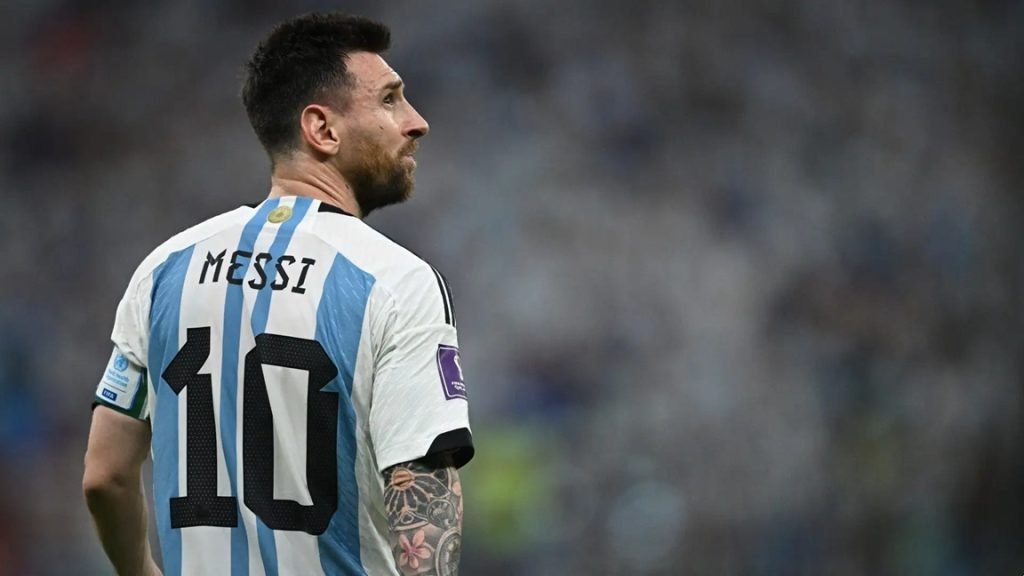
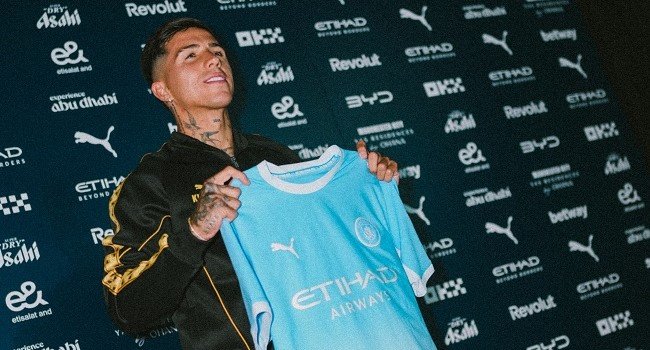
The club’s biggest move came on deadline day when Argentina international Fernández joined for £125 million. The midfielder signed a five-year contract and will reunite with Enzo Maresca, who previously coached him at Chelsea.
City had already invested heavily in midfield, signing:
- Enzo Fernández from Chelsea – £125m
- Elliot Anderson from Nottingham Forest – £116m
- Ayyoub Bouaddi from Lille – about £86m
Ndiaye’s arrival from Everton added another significant attacking option to Maresca’s squad.
The club’s spending comes as City attempt to rebuild and challenge for the Premier League title after finishing second to Arsenal last season.
Despite the huge expenditure, City also generated substantial income through player sales, meaning their net spending was considerably lower than their gross outlay. Reuters put City’s total incoming transfer expenditure at about £458 million.
The summer transfer window produced an extraordinary concentration of record fees.
Four of the 11 most expensive transfers in Premier League history were completed during the window, underlining the financial strength of English clubs.
The biggest deals included:
- Enzo Fernández — Chelsea to Manchester City, £125m
- Bradley Barcola — Paris Saint-Germain to Liverpool, initial £107m, potentially £123m
- Morgan Rogers — Aston Villa to Chelsea, £117m
- Elliot Anderson — Nottingham Forest to Manchester City, £116m
Liverpool’s acquisition of Barcola represented another major statement from the defending champions, although their efforts to strengthen further were unsuccessful on deadline day.
The Reds had bids for Crystal Palace’s Ismaïla Sarr and Brighton’s Yankuba Minteh rejected.
Liverpool’s £123 million potential package for Barcola placed the French forward among the most expensive signings in Premier League history.
The club also completed the signing of teenage Belgian goalkeeper Lucca Brughmans, although he will remain on loan at Genk for the rest of the season.
Tottenham were similarly active throughout the window.
Spurs broke their club transfer record by signing Italy midfielder Sandro Tonali from Newcastle United in a deal worth up to £100 million. They also invested heavily elsewhere as they attempted to rebuild their squad.
Tottenham’s reported summer expenditure reached approximately £302–303 million, placing them among the Premier League’s biggest spenders.
Chelsea also spent heavily, committing around £349 million to new players despite Fernández’s departure.
The latest figures show how dramatically the English transfer market has expanded.
Premier League clubs spent approximately £475 million on deadline day alone, compared with £391 million on the final day of the previous summer window.
Overall spending has also more than tripled compared with five years ago, when Premier League clubs spent about £1.13 billion during the summer window.
The 2026 figures demonstrate that the league’s financial strength extends beyond its traditional elite, with promoted clubs also committing significant sums to prepare for top-flight competition.
Three promoted sides — Ipswich Town, Coventry City and Hull City — collectively spent more than £400 million, according to figures reported during the window.
The transfer boom reflects the Premier League’s continued commercial strength and the willingness of clubs to invest heavily in squad rebuilding.
The market also showed a growing tendency for Premier League teams to trade directly with one another. Around 38% of deals involved two English top-flight clubs, compared with about 30% the previous summer.
That trend has helped drive transfer fees higher while allowing clubs to reinvest money generated from player sales.
For Manchester City, Chelsea, Liverpool and Tottenham, however, the real test will come on the pitch.
City must now turn their record investment into a serious title challenge, Liverpool will expect Barcola to strengthen their attack, while Tottenham’s expensive rebuild will face immediate scrutiny.
With the transfer window now closed, attention shifts from spending power to performance — and whether the billions committed by Premier League clubs can translate into trophies, Champions League qualification and improved league positions.